All Categories
Featured
Table of Contents
The Changing Regulatory Environment in Modern Suburban Areas
Residential water management in 2026 has reached a point where visual choices satisfy strict legal requirements. The days of unlimited watering for green turf are mostly over in many parts of the country. Local governments now view private lawns not simply as personal effects but as shared possessions in a regional resource pool. This shift has actually led to a variety of mandates that determine how, when, and if a person can water their lawn. In many locations, the shift has actually been driven by numerous years of unpredictable rains and the need to support aging infrastructure. Homeowner are finding that the green carpet of the past needs a level of oversight that was unusual a decade ago.
Comprehensive requireds differ depending on the regional climate and tank levels. In residential neighborhoods, municipal authorities typically implement specific watering schedules that restrict hose usage to specific hours or days. These guidelines are no longer mere suggestions. They are backed by automated monitoring systems that flag uncommon use patterns in real-time. Some districts have actually carried out clever meters that send out signals to property owners' mobile phones the minute their consumption goes beyond a pre-set daily limitation. This level of examination ensures that water is maintained for vital needs while still enabling for some level of outside maintenance. Individuals who once neglected these rules now face considerable financial penalties that appear on their regular monthly energy bills.
Adjusting Professional Property Care to Regional Requireds
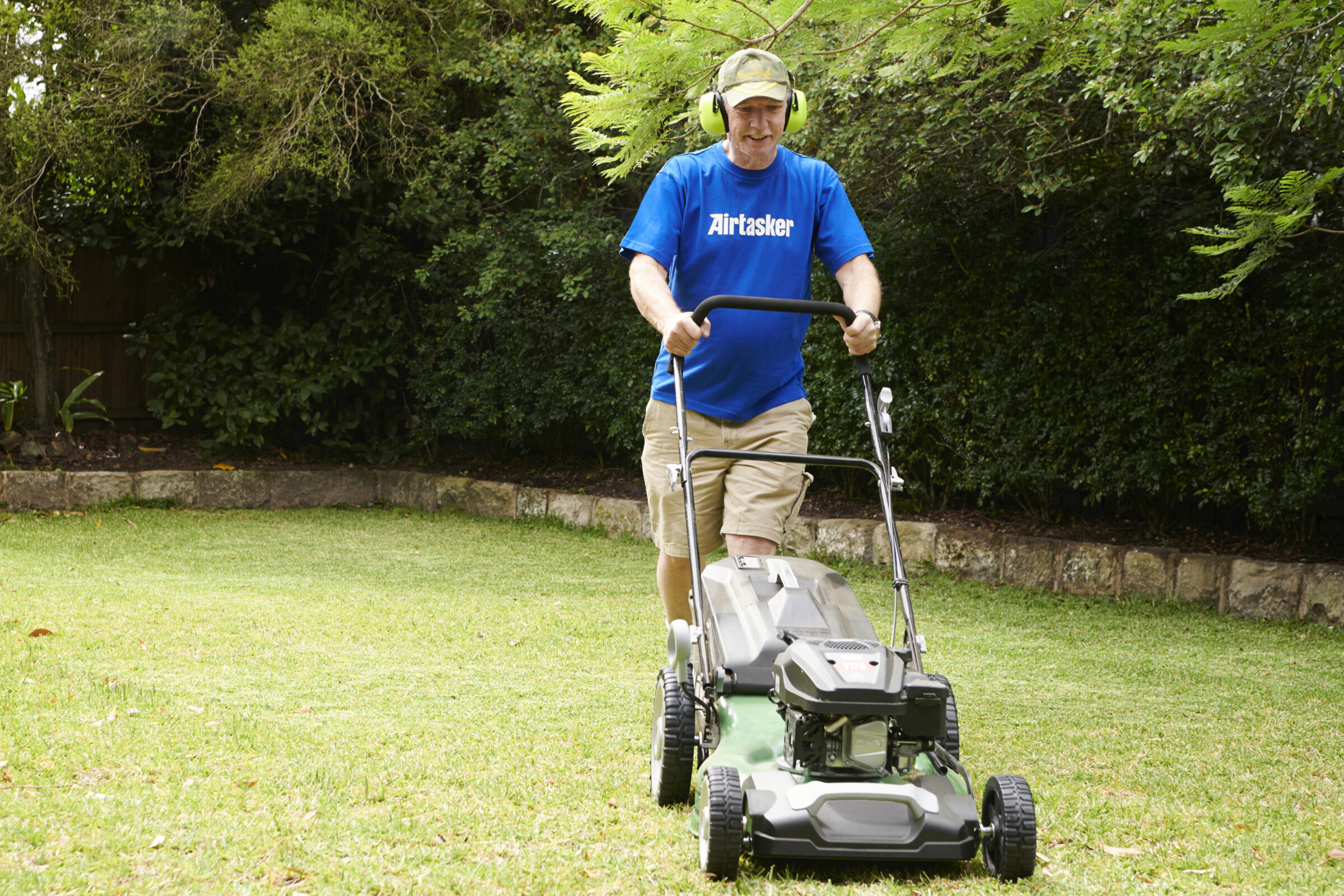
The role of external providers has moved significantly as these policies tighten. Service suppliers should now remain informed about the particular laws of every town they go into. For those offering residential yard upkeep, the focus has moved from easy mowing to soil health and moisture retention. Specialists are now frequently needed to be accredited in water-efficient practices before they can obtain an organization license. This shift makes sure that individuals handling private grounds are not wasting resources through incorrect strategy or malfunctioning equipment. Numerous property owners now prioritize Clarksville Lawncare when choosing a company to guarantee they remain on the right side of the law.
Technological integration has actually ended up being a basic part of preserving a personal yard. Soil moisture sensing units and weather-based watering controllers are frequently mandated for new building. These gadgets utilize regional weather condition data to avoid watering cycles when rain is in the projection or when the ground is already filled. In 2026, the dependence on manual timers has decreased as individuals recognize the cost of over-watering. By using sensing units that determine evapotranspiration rates, a home can maintain healthy vegetation with a portion of the water utilized in previous years. This data-driven method enables for a more precise application of resources, targeting just the locations that really require hydration.
Shift in Aesthetics and Curb Appeal in High-Growth Districts
The visual standard for a stunning lawn is undergoing a substantial modification. In many urban centers, the standard monoculture of Kentucky Bluegrass is being changed by more resilient types. Buffalo lawn, great fescues, and even micro-clover are ending up being popular options since they require less hydration and less chemical inputs. These ranges can remain green longer during droughts and recuperate faster once wetness returns. This modification in plant life has actually modified the appearance of lots of neighborhoods, moving away from a consistent neon-green look towards a more natural, soft palette of textures and colors.
Comprehensive Local Lawn Services has actually emerged as a main concern for local boards and house owner associations. For years, these organizations implemented stringent rules that needed every lawn to look similar, often mandating lush green lawn despite the environment. However, new state laws in 2026 have actually stripped a lot of these boards of their power to restrict drought-tolerant outdoor styles. This legal shift permits homeowners to change thirsty grass with stone, mulch, and native plants without fear of fines from their neighbors. The outcome is a more diverse and interesting streetscape that shows the regional environment rather than a synthetic suitable.
Financial Effects of Water Tiering and Fines
The expense of water has actually ended up being a significant consider home management. Tiered pricing models are now common in residential zones, where the cost per gallon increases substantially once a family passes a particular limit. This financial pressure encourages homeowners to reconsider their outdoor areas. Lots of choose to lower the overall square footage of their grass, replacing portions of it with permeable hard-to-maintain locations or native plant beds. This lowers the monthly costs and increases the durability of the home against future rate walkings. In some areas, the government even provides rebates for every single square foot of turf removed and changed with low-water options.
Realty values are likewise starting to reflect these water realities. Purchasers in 2026 are progressively wary of homes with enormous, water-dependent lawns that will be pricey to preserve. A yard that is already optimized for the local environment is frequently viewed as a selling point rather than a downside. House owners who have bought smart irrigation and drought-resistant greenery often see a better return on their investment when it comes time to offer. More homeowners are choosing for Lawn Care in Clarksville to avoid heavy fines and guarantee their home stays appealing to future purchasers who understand utility expenses.
Legal Conflicts and Resolution in 2026
As guidelines progress, conflicts in between citizens and local authorities in some cases emerge. These disputes usually fixate the definition of a "properly maintained" lawn. While some regulations require lawn to be kept short, others now mandate that it be enabled to grow a little longer to shade the soil and minimize evaporation. Navigating these overlapping guidelines needs a clear understanding of both local law and area covenants. In many developing areas, mediation services have ended up being a typical method to solve these concerns, enabling a compromise that appreciates both the aesthetic of the area and the need for resource preservation.
The legal environment is likewise seeing an increase in "ideal to garden" and "ideal to dry" laws which support more sustainable usage of personal property. These laws often secure the house owner's right to install rain barrels or graywater systems, which capture and reuse water from your home for outdoor watering. In 2026, these systems are becoming more advanced, with integrated filtration that makes them safe for a wide range of plants. While the initial setup can be a financial investment, the long-term cost savings and the security of having a backup water source make it an appealing alternative for many.
Future Outlook for Personal Greenspace
The future of the personal yard is not one of overall disappearance but of much better management. In suburban markets, the emphasis is on quality over quantity. Little, well-tended patches of grass are becoming the standard, used mainly for entertainment and pet areas, while the remainder of the backyard is devoted to more sustainable functions. This well balanced method enables households to delight in the advantages of a soft outdoor surface without the ecological and monetary concern of an enormous grass area. The focus is now on creating outside spaces that are practical, beautiful, and in harmony with the local environment.
Education continues to be a major aspect in how these guidelines are received. Municipalities that provide clear details and support for homeowners tend to see much higher compliance rates. Programs that provide complimentary soil testing or consultations on plant choice help homeowners seem like partners in preservation instead of targets of regulation. As the technology for water management ends up being more accessible and the advantages of native plants become more commonly known, the tension between beautiful backyards and water conservation is most likely to reduce. Homeowners are finding that a yard adjusted to its environment is not just simpler to care for but also more intriguing and varied than the basic yards of the past.

The shift seen in 2026 represents a growing of how society values its natural deposits. By treating water as a precious commodity and the personal lawn as an area for thoughtful management, communities are ending up being more resilient to the challenges of a changing climate. The mix of technology, smarter plant choices, and reasonable regulation makes sure that the tradition of the American yard survives, albeit in a type that is much better matched for the world of today. Homeowners who embrace these modifications discover themselves with outdoor spaces that are not only certified with the law however likewise more sustainable and easier to maintain in the long run.

Latest Posts
How Worldwide Warming Modifies Lawn Care in 2026
Why Your Mowing Height Should Change Every Season
How Rising Temperature Levels Affect Your Regional Mowing Set Up