All Categories
Featured
Table of Contents
- – Climate Resilience and Regional Grass Selectio...
- – The Rise of Heat-Tolerant Hybrids
- – Adapting to Soil Irregularity in Local Districts
- – Warm-Season Transitions and Native Alternatives
- – Water Management and Irrigation Performance
- – Managing Insects and Illness in a Warmer Climate
- – Future Outlook for Residential Lawns

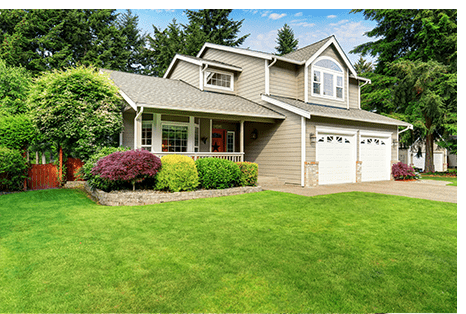
Climate Resilience and Regional Grass Selection in 2026
Weather condition patterns in 2026 have actually required a shift in how homeowners approach their outside spaces. The standard reliance on a single grass species is fading as erratic rainfall and greater average temperatures become the norm throughout regional neighborhoods. Homeowner are now trying to find grass types that do more than just look green, they are seeking ranges that can stand up to prolonged heat while keeping soil health. This shift is not simply a choice for visual appeals however an essential adjustment to the altering environment.
The idea of a "hardiness zone" has actually ended up being increasingly fluid this year. Yards that as soon as grew in the southern regions are moving northward, while conventional cool-season staples like Kentucky Bluegrass are struggling to stay inactive during unseasonably warm winter seasons. House owners are discovering success by concentrating on Parkville Grass Programs to guarantee their homes remain functional. Selecting the right species requires a take a look at both the biological characteristics of the plant and the specific soil structure of the local location.
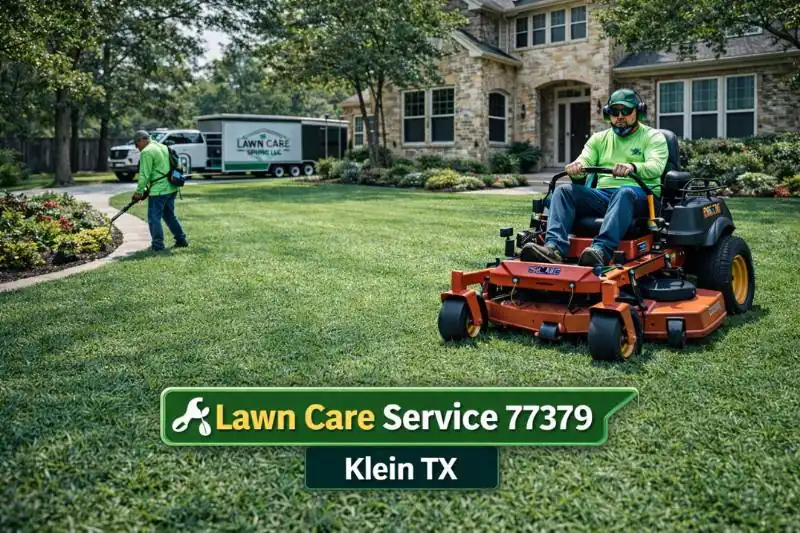
The Rise of Heat-Tolerant Hybrids
For years, the option was basic: Fescue for the North and Bermuda for the South. In 2026, the lines have blurred. Hybrid ranges have actually taken center phase, especially those that cross the softness of cool-season yards with the toughness of warm-season types. These hybrids are designed to stay green longer throughout the mid-summer heat spikes that have defined the present year. Numerous property owners are discovering that Advanced Timonium Grass Care Plans offers a more reliable ground cover than the old-school monocultures of the past.
One particular pattern acquiring traction is the use of endophyte-enhanced fescues. These are yards that have a cooperative relationship with helpful fungis, which helps the plant resist bugs and tolerate dry spell. While these were once scheduled for golf courses or sports fields, they have become a staple for residential yard care in 2026. The capability of these yards to recuperate from foot traffic and heat tension without massive quantities of supplemental water makes them a top choice for households who still want a practical backyard.
Adapting to Soil Irregularity in Local Districts
The success of any yard type depends heavily on the ground underneath it. In 2026, soil health has actually ended up being a significant talking point amongst those thinking about sustainable property management. Heavy clay or sandy soils both present difficulties when temperatures vary. By adding raw material such as biochar or composted leaf mold, house owners can increase the water-holding capability of their soil, which supports the root systems of newer, more sensitive grass hybrids.

Compaction is another hurdle that has actually gotten worse with the extreme weather condition cycles of 2026. Durations of heavy rain followed by intense sun can bake the soil into a brick-like consistency. Aeration has ended up being a standard part of the maintenance cycle for local grass management, permitting air and nutrients to reach the roots. Without these interventions, even the most climate-resilient lawn will have a hard time to develop the deep root systems needed to make it through the late-season dry spells.
Warm-Season Transitions and Native Alternatives
In lots of parts of the nation, the shift towards warm-season yards is no longer optional. Zoysia grass has actually seen a huge surge in popularity due to the fact that it needs considerably less mowing and watering than Fescue. It develops a dense mat that naturally chokes out weeds, reducing the need for chemical treatments. This fits into the broader 2026 trend of decreasing the ecological footprint of private yards. There is likewise a growing interest in Weed Suppression in Annapolis as a way to incorporate more regional flora into the residential space.
Buffalo yard is another competitor that has actually gotten respect this year. As a native types to the plains, it is remarkably drought-tolerant. While it might not have the deep emerald hue of a conventional lawn, its bluish-green tint and low height make it ideal for those who desire to minimize maintenance. The goal in 2026 is often "functional green" rather than "golf-course perfection." This shift in mindset shows a deeper understanding of the regional environment realities facing the surrounding suburbs.
Water Management and Irrigation Performance
Watering innovation has advanced alongside lawn genes. In 2026, wise controllers that use real-time weather information prevail. The finest irrigation system is worthless if the lawn type is not fit for the regional rainfall patterns. Over-watering is simply as damaging as under-watering, as it causes shallow roots and increased illness vulnerability. Many citizens are moving far from traditional overhead sprinklers in favor of sub-surface drip lines or high-efficiency nozzles that lower evaporation.
The timing of water application is likewise being scrutinized. In 2026, the standard suggestions is to water deeply and rarely. This motivates roots to grow downward in search of moisture, making the plants more resilient when the top couple of inches of soil dry out. This technique works best with lawns like St. Augustine or particular types of Seaside Paspalum, which are ending up being more typical in seaside or high-humidity zones within nearby regions.
Managing Insects and Illness in a Warmer Climate
Warm winter seasons in 2025 and 2026 have resulted in greater survival rates for common yard pests. Grubs and armyworms are appearing previously in the season, requiring a more proactive method to monitoring. Instead of blanket chemical applications, many homeowner are utilizing biological controls like milky spore or advantageous nematodes. These approaches target the pests without harming the pollinators that are vital for a healthy outdoor environment.
Fungal illness are likewise a concern as humidity levels shift. Brown patch and dollar area can quickly mess up a yard if the turf type is not resistant. Breeding programs in 2026 have actually concentrated on developing cultivars that can deal with these pathogens naturally. When choosing seed or sod for professional lawn updates, looking for disease-resistance rankings has actually ended up being a basic action for those who want a low-stress backyard.
Future Outlook for Residential Lawns
The meaning of a lovely yard is changing. The lavish, water-hungry carpets of the early 2000s are being replaced by varied, resistant, and climate-appropriate premises. This does not imply the end of the yard, but rather an evolution of it. By selecting yard types that are optimized for the specific difficulties of 2026, property owners can enjoy their outdoor areas without the consistent battle versus nature. The focus has actually moved towards long-term stability and ecological consistency in the local market.
Biodiversity is also playing a larger function. Some are choosing to blend micro-clover with their turf to offer natural nitrogen fixation. This decreases the requirement for synthetic fertilizers while keeping the ground covered and cool. As we move even more into 2026, the most effective residential or commercial properties will be those that embrace these modifications and move far from outdated requirements of excellence. The focus is now on resilience, ensuring that the property lawn can endure whatever the next season brings.

Table of Contents
- – Climate Resilience and Regional Grass Selectio...
- – The Rise of Heat-Tolerant Hybrids
- – Adapting to Soil Irregularity in Local Districts
- – Warm-Season Transitions and Native Alternatives
- – Water Management and Irrigation Performance
- – Managing Insects and Illness in a Warmer Climate
- – Future Outlook for Residential Lawns
Latest Posts
How Worldwide Warming Modifies Lawn Care in 2026
Why Your Mowing Height Should Change Every Season
How Rising Temperature Levels Affect Your Regional Mowing Set Up
Latest Posts
How Worldwide Warming Modifies Lawn Care in 2026
Why Your Mowing Height Should Change Every Season
How Rising Temperature Levels Affect Your Regional Mowing Set Up